Leak Detection in Bend, OR
Locate hidden leaks behind walls, under floors and in yard lines before anything gets torn open.
A ten-minute meter test you can do yourself
Find out if water is moving when nothing is running
- Turn off every fixture, the dishwasher, the washing machine and the ice maker.
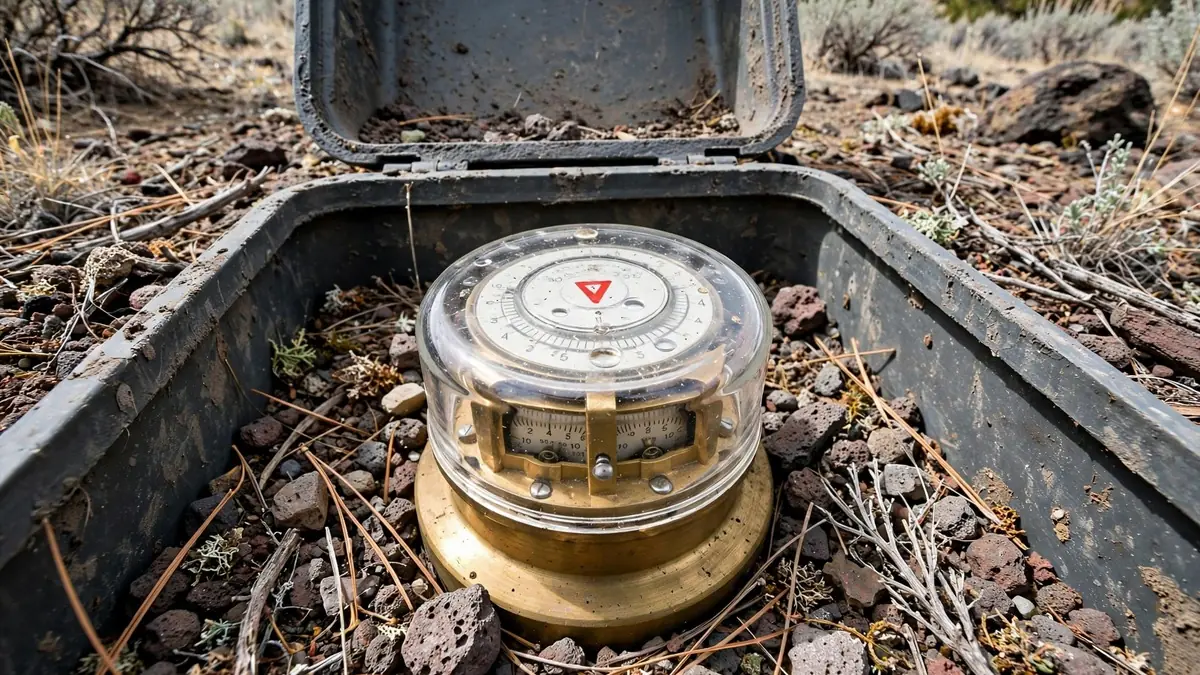
- Find your water meter, usually in a box near the street or at the property line, and note the reading or watch the small leak indicator.
- Wait fifteen minutes without using any water, then check the meter again.
- If the reading moved or the indicator is spinning, water is leaking somewhere past the meter.
- If you are on a private well, watch the pressure gauge. A pump that kicks on with all water off signals a leak too.
Your bill is up and you cannot see why
Most leak calls start with a number, not a puddle. A water bill that jumped, a meter that turns when everyone is out, or a sound of running water in a quiet house all say that water is escaping from a line you cannot see.
Other clues are physical. A warm spot on a floor can mean a hot water line leaking under it. A damp patch in the yard that stays wet in dry weather suggests a service line. A musty smell in a closet may be a slow supply leak in the wall.
Leak detection in Bend is the work of finding the exact spot before anyone opens a wall or a driveway. That precision keeps the repair small and the cost lower.
Tools used to locate a hidden leak
| Method | What it does | Best for |
|---|---|---|
| Meter and pressure test | Confirms a leak exists and which side of the home it is on | First step on every call |
| Acoustic listening | Picks up the sound of escaping water through pipe or soil | Pressurized lines, slab and yard leaks |
| Thermal imaging | Shows temperature differences from wet areas or hot lines | Hot water leaks, wall and floor moisture |
| Tracer gas | A harmless gas escapes at the leak and is detected above ground | Hard-to-hear or low-pressure leaks |
| Camera inspection | Looks inside drain lines for cracks and offsets | Drain and sewer leaks |
Not every tool is needed on every job. The plumber picks the least invasive method that answers the question, and any repair that follows is done to the Uniform Plumbing Code (UPC) as adopted in Oregon.
Cold-weather leaks and the places they start
Crawlspaces and exterior walls
After a freeze, small cracks can open in supply lines without bursting outright. The first sign may be a damp crawlspace or a stain on a ceiling weeks later. Pipes on exterior walls, in garages and near vents are the most exposed.
If you find moisture after a cold snap, treat it as a possible leak even when the water bill looks normal. A slow drip can run for weeks.
Hose bibs, irrigation and yard lines
Irrigation lines, hose bibs and buried service lines can leak into soil that drains quickly, so the wet spot may not show on the surface. High-desert dirt swallows a lot of water before it turns muddy.
A meter that moves with the house off and the sprinklers shut is a strong sign the leak is on the property side of the meter.
Leak detection when there is no water meter
Homes on private wells have no utility meter to watch. The pump and pressure tank take its place. A pump that cycles when no one is using water, a tank that never holds pressure, or a gauge that slowly falls are all signs of a leak.
A water test can help isolate the problem. The plumber closes the valve at the house and watches the pressure on the line from the well. If it falls, the leak is on the well side, which points toward water line replacement. If it holds, the leak is inside the home.
What affects the price of leak detection
Insurance often covers the cost of tearing out to reach a leak when the leak is covered. Ask your adjuster whether detection costs are included before the visit.
Leak detection across Deschutes County
A suspected leak in 97703 or anywhere else in Bend gets the same first step, which is the meter test above, and the same follow-up for Redmond addresses. When the detection points to a line under a concrete floor, slab leak detection and repair covers that case. When the leak has already split a pipe, pipe break repair is the next step.
Hidden leaks behind walls show up differently in a slab-on-grade home in Southern Crossing than in a crawlspace home near Pilot Butte. A plumber starts with the meter and a pressure test in either case, then chooses acoustic listening or thermal imaging to match the house.
Leak detection questions in Bend
A higher bill, a moving meter with all water off, the sound of running water, damp spots or musty smells are the common signs. The meter test above confirms it.
Mostly yes. Acoustic, thermal and gas methods locate the leak from the surface, so only the exact spot needs to be opened.
A simple interior leak may take an hour or two. A long underground line can take longer. The plumber gives an estimate once the first tests are done.
Yes. Pressure tests on the well line and inside the home separate the two sides. A pump that runs when no water is used is the main clue.
Sometimes. If the leak is a covered event, many policies pay for finding it. Slow leaks from wear are often excluded. Ask before the visit.
Active water loss is. Close the main and call. A slow suspected leak can be scheduled, but the sooner it is found the smaller the repair tends to be.